

Pregnancy Week 25 is another beautiful step toward meeting your baby. You have already come a long way, from the early days of wondering whether you were pregnant to feeling your body change and gradually becoming more familiar with the little movements inside your belly. Every week brings something new, and this stage can make the idea of becoming a mother feel more real than ever.
Your baby is continuing to grow, your belly may be becoming more noticeable, and you might be finding your own rhythm with pregnancy. Perhaps you have started recognizing when your baby tends to move. Maybe you find yourself smiling when you feel a little kick during a work meeting or while relaxing at home. These moments may be small, but they can mean so much to an expecting mother.
At the same time, Week 25 may bring its own challenges. Your back may feel uncomfortable after a long day, your sleep may not be as peaceful as it used to be, and you may find yourself thinking about childbirth, maternity leave, baby shopping and everything that comes after delivery. You may feel excited about the future while wondering how you will manage all the changes.
If you are experiencing a mixture of emotions, you are not alone. Pregnancy is not a journey in which every day feels magical. Some days are exciting, some are tiring, and some are simply ordinary days in which you are doing your best to take care of yourself and your growing baby.
This week, give yourself permission to slow down, learn something new about your baby and appreciate the little moments that make your pregnancy special.
Your Baby at Week 25
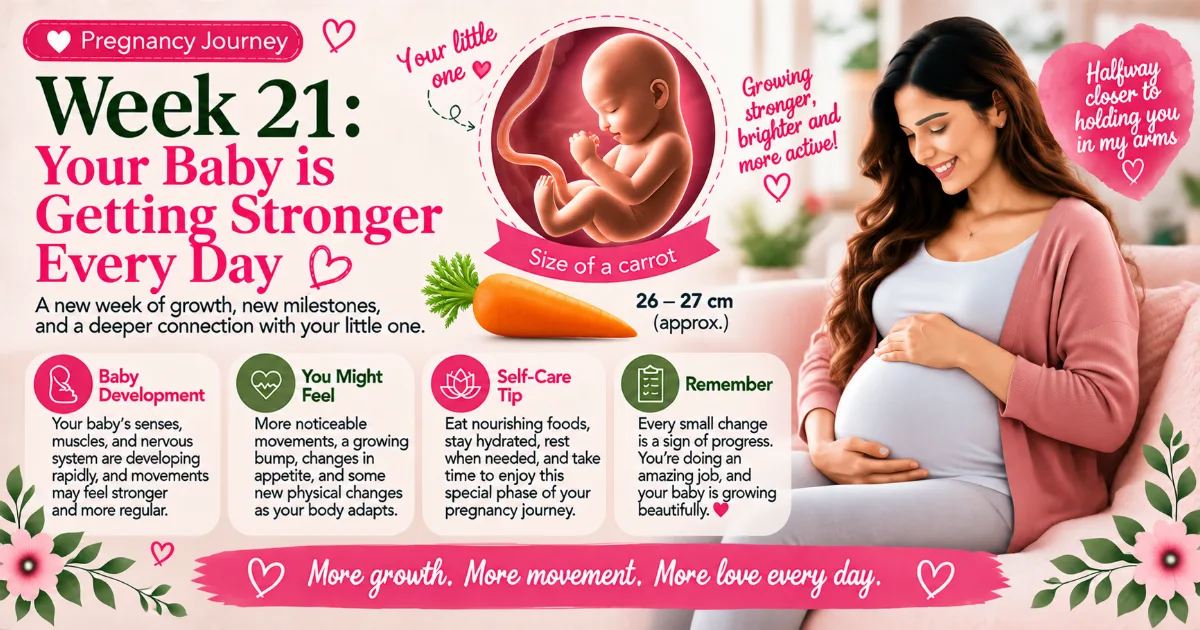
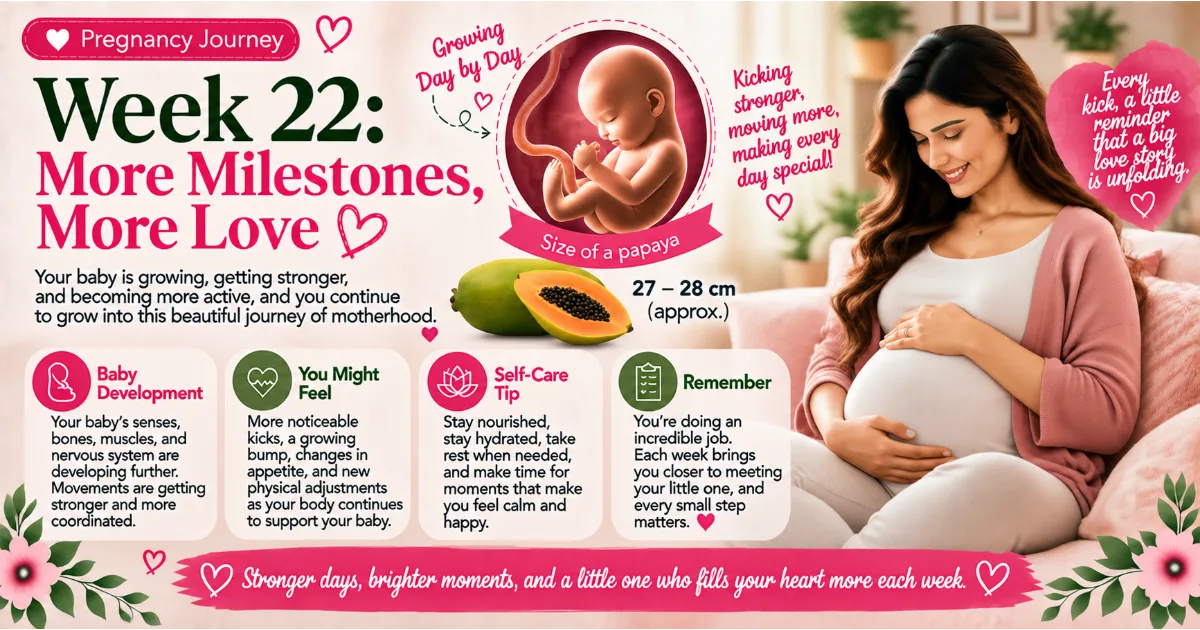
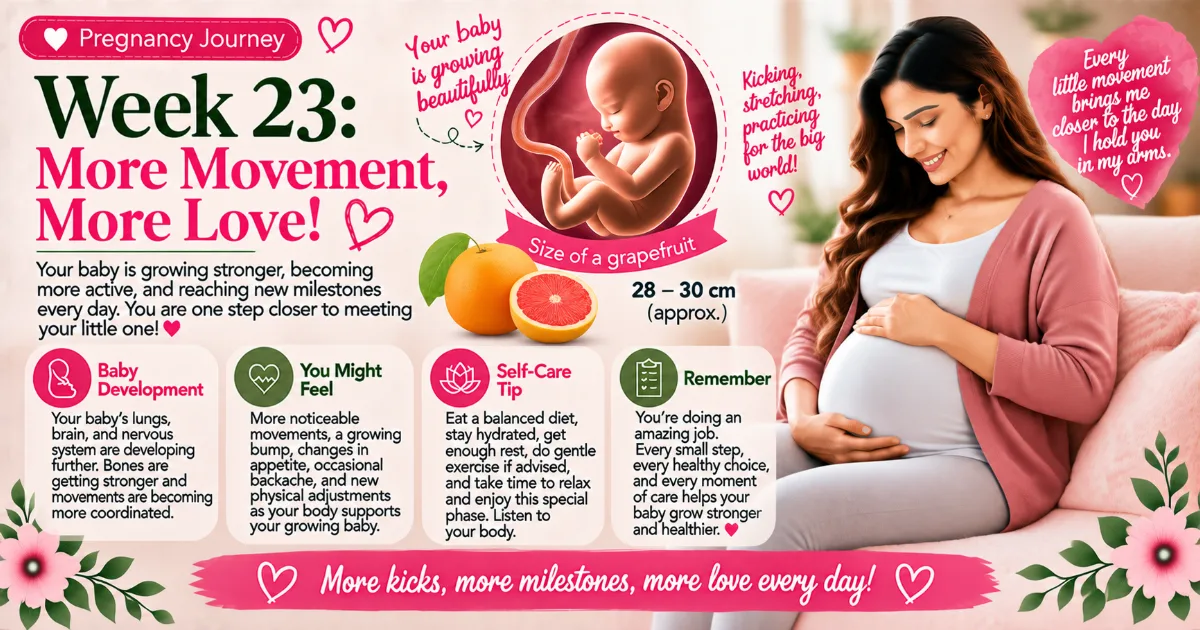
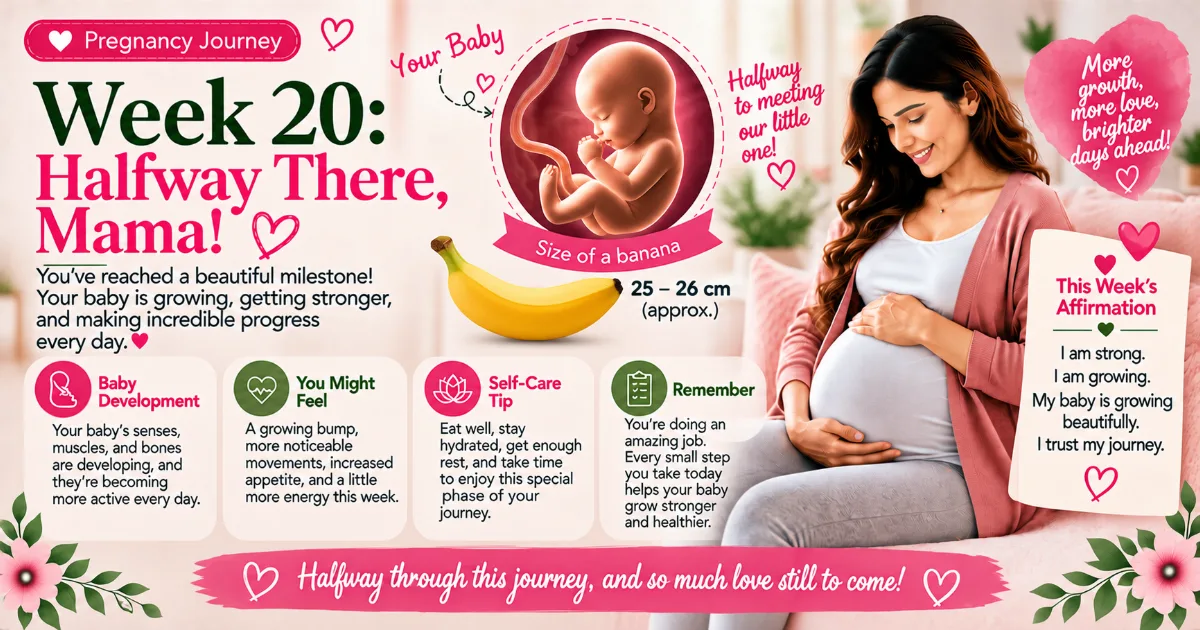
At around 25 weeks, your baby continues to develop important physical features and body systems. The brain and nervous system are maturing, the lungs are developing, and the baby is gradually gaining weight. Your baby's movements may also feel more coordinated as development progresses.
Your baby still has plenty of growing to do before birth. Although some body systems are developing rapidly, they are not yet fully mature. The weeks ahead will bring further changes that help prepare your baby for life outside the womb.
Your baby's skin is also continuing to develop. A protective coating called vernix caseosa covers the skin, while fine hair known as lanugo may be present on the body. These are normal parts of development during pregnancy.
The exact size and weight of a baby at this stage can vary. Pregnancy apps often use fruit or vegetable comparisons to make development easier to imagine, but these are only approximate illustrations. Your healthcare provider will monitor your pregnancy and assess growth using the appropriate clinical information.
Your Baby Is Becoming More Active
By Week 25, you may be getting more familiar with the sensations of your baby's movements. What once felt like a tiny flutter may now feel like a gentle kick, a roll or a little nudge from inside your belly.
Sometimes the movement may arrive when you least expect it. You could be answering an email, preparing dinner, talking to a family member or lying down after a tiring day when you suddenly feel your baby move.
Imagine Priya sitting at her desk during a busy afternoon. She had been concentrating on a report for nearly an hour when she felt a small movement in her belly. She paused, placed her hand over her bump and waited for a moment.
Another little movement followed.
She smiled because the moment felt like a small reminder that, even while she was busy with her professional responsibilities, her baby was growing and developing. She later told her partner about it, describing the movement in such detail that they both laughed.
These ordinary moments can become precious memories of pregnancy. They remind you that your journey toward motherhood is happening alongside your everyday life.
Every Pregnancy Has Its Own Rhythm
You may notice that your baby seems more active during certain parts of the day. Perhaps you feel movements when you are resting in the evening, sitting quietly after a meal or getting ready for bed.
Other mothers may describe completely different experiences. One may notice frequent movement, while another may be more aware of gentle or less predictable sensations.
It is natural to compare your pregnancy with a friend's experience, particularly if you are at the same stage. However, every pregnancy is different, and comparing movement patterns can create unnecessary worry.
At this stage, your baby's movement pattern may still be developing. If you notice a concerning change or reduction in movement, contact your maternity care team promptly. Do not wait until your next appointment if you are worried about your baby's movements.
Your healthcare provider can guide you about what to expect and when to seek medical advice.
Your Baby May Be Responding to Sounds
As your baby's auditory system develops, your baby may begin responding to some sounds as pregnancy progresses. Your voice, familiar music and the sounds of everyday life are all part of the environment surrounding your growing baby.
You might enjoy talking to your baby when you wake up, telling your little one about your day or singing a favourite song while getting ready for bed.
You do not need to create a special routine or buy anything to help you bond with your baby. These small moments can simply become a comforting part of your day.
Ananya had started talking to her belly while preparing breakfast. She would tell her baby what she planned to do that day, even when the conversation consisted of nothing more than describing the weather or deciding what to cook for dinner.
At first, she felt a little silly doing it. Gradually, it became a habit that made her smile.
Your own way of connecting with your baby may be completely different. You may talk, sing, write letters or simply rest your hand on your belly when you feel a movement. There is no single correct way to experience this connection.
Your Growing Belly May Change Your Routine
By Week 25, your growing belly may be influencing many parts of your day. You might need more time to get dressed, adjust your position while sitting or take a little longer to complete tasks that once felt easy.
You may also notice that bending down, climbing stairs or standing for long periods requires more effort. These changes can be frustrating, especially if you are used to moving quickly and managing several responsibilities at once.
Try to give yourself more time when planning your day. If you need to sit down while getting ready or take a break between tasks, allow yourself to do so.
Your body is changing to support your pregnancy, and you do not need to move at the same pace you did before.
Learning to Love Your Changing Body
Pregnancy can bring a complicated mix of feelings about your appearance. You may feel proud of your growing bump, but you may also miss your old clothes or feel uncomfortable with the changes happening to your body.
Some days, you might enjoy looking at your belly in the mirror. On other days, you may feel tired of adjusting your clothes or hearing comments about how much your body has changed.
Both experiences are understandable.
Meera found herself getting frustrated one morning because none of her usual outfits felt comfortable. She had an important meeting and was already running late. For a few minutes, she felt upset that getting dressed had become such a difficult task.
Later that week, she set aside some time to choose comfortable clothes that suited her changing body. She realized that she did not have to wait for her body to return to its previous shape before she could feel good about herself.
You deserve to feel comfortable now, not only after pregnancy. Choose clothes that fit your body as it is today, and try to speak to yourself with the same kindness you would offer a friend.
Physical Changes You May Notice at Week 25
As your pregnancy progresses, you may experience back discomfort, heartburn, constipation, leg cramps, tiredness or difficulty finding a comfortable sleeping position. Some women also notice swelling in their feet or ankles, particularly after spending a long time standing.
These symptoms can make everyday activities more challenging. You may need to take more breaks at work, change how you sit or ask someone to help with tasks that feel uncomfortable.
Small adjustments may help you manage some of these changes. Comfortable footwear, regular breaks, appropriate gentle movement and a supportive resting position may make your day easier. Follow your healthcare provider's advice about which activities are suitable for you.
However, do not assume that every symptom is simply a normal part of pregnancy. Severe pain, significant bleeding, fluid leakage, a severe headache, vision changes, difficulty breathing or other concerning symptoms need prompt medical assessment.
If something feels unusual or worries you, contact your healthcare provider rather than relying on advice from social media.
When Your Energy Changes From Day to Day
You may wake up feeling energetic one morning and struggle to complete your usual routine the next. Pregnancy can make energy levels less predictable, especially when sleep is interrupted or physical discomfort becomes more noticeable.
If you are managing a job, household responsibilities and family commitments, you may find it difficult to accept that you need extra rest.
You might be used to completing every task on your list before taking a break. During pregnancy, it can help to identify which tasks genuinely need your attention and which ones can wait.
Resting does not mean that you are being unproductive. You are going through a major physical change, and taking care of yourself is an important part of caring for your baby.
Eating Well Without Trying to Be Perfect
At Week 25, you may hear plenty of advice about what you should eat. Family members may recommend particular fruits or homemade foods, friends may share their pregnancy diets, and online articles may suggest complicated meal plans.
It can become overwhelming when every person seems to have a different opinion.
Instead of trying to follow every suggestion, focus on a varied and balanced diet that suits your needs. Include a range of vegetables, fruits, whole grains, protein-rich foods and other nutritious options that fit your dietary preferences.
Pregnancy increases the need for certain nutrients, including iron and calcium. Your healthcare provider can advise you about your individual nutritional requirements and any supplements you may need.
If you have food aversions, dietary restrictions or difficulty eating enough, discuss these concerns with your healthcare provider. You do not need to solve every nutritional question by yourself.
Staying Hydrated During the Day
Drinking enough fluids is another simple way to look after yourself during pregnancy. You may find it helpful to keep a water bottle near your workspace or carry water when leaving home.
If you spend most of your day working, attending meetings or managing responsibilities, it can be easy to forget to take breaks. Keeping water within reach can help make hydration part of your normal routine.
Your fluid needs may vary depending on your health, activity level and the weather. If your healthcare provider has given you specific advice about fluid intake, follow those recommendations.
Sleep May Need a Little More Attention
By Week 25, you may find it more difficult to settle into a comfortable sleeping position. Your growing belly, frequent bathroom visits, back discomfort or an active mind may interrupt your rest.
Some mothers find that pillows placed between their knees or used to support their belly make sleeping more comfortable. You can try different arrangements to find what works best for you.
A relaxing bedtime routine may also help. You could spend a few minutes reading, listening to something calming or preparing your bedroom for a comfortable night's rest.
If sleep difficulties become persistent or significantly affect your daily life, speak with your healthcare provider. You deserve support rather than feeling that you must simply tolerate every discomfort.
The Emotional Side of Pregnancy
Pregnancy can bring emotions that are difficult to explain. You may feel excited about meeting your baby and nervous about childbirth. You may feel grateful for your pregnancy but still miss your old routine. You may enjoy preparing for motherhood while worrying about whether you will be able to manage everything.
These feelings can exist together.
Sneha experienced this during Week 25. She was happy whenever she thought about holding her baby, but she also worried about the changes that would follow delivery. She wondered how she would manage sleepless nights, household responsibilities and her career.
She initially kept these thoughts to herself because she did not want people to think she was unhappy about becoming a mother. Eventually, she spoke to her partner about her concerns, and they began discussing how they could share responsibilities after the baby arrived.
The conversation did not answer every question, but it helped her feel supported.
You do not have to hide your worries to prove that you are excited about your baby. Talking to someone you trust can help you feel less alone. If anxiety or sadness becomes persistent or starts affecting your everyday life, speak with your healthcare provider.
You Can Be Excited and Nervous at the Same Time
As the weeks pass, the idea of becoming a parent may feel increasingly real. You may start imagining the first time you hold your baby, the first night at home and the everyday routines you will build together.
Alongside those beautiful thoughts, you may wonder whether you will know what your baby needs or whether you will be able to balance everything.
These questions do not mean you are unprepared for motherhood. They mean you are thinking about a major life change.
Nobody knows every detail of parenting before the baby arrives. You will learn gradually, with support from your family, healthcare professionals and other parents.
You do not need to become an expert before you meet your baby. You are allowed to learn as you go.
Thinking About Your Career During Week 25
If you are working during pregnancy, this may be a useful time to start thinking about the practical arrangements you may need in the coming months.
You might want to understand your maternity leave policy, review upcoming deadlines or consider how your responsibilities could be handed over when your leave begins. You may also want to discuss adjustments if your current workload is becoming difficult to manage.
You do not have to make every decision immediately. Your needs and preferences may change as your pregnancy progresses, and your plans can change too.
Keeping important information organized can make future decisions easier. You could maintain a simple list of questions for your manager or human resources team and note any dates relevant to your leave planning.
If your work involves long hours, frequent travel or physical demands that are becoming uncomfortable, discuss your concerns with your healthcare provider and employer.
Your Career Is Still Part of Your Identity
Some expecting mothers worry about how pregnancy and maternity leave will affect their professional lives. You may wonder whether your colleagues will continue to see you as dependable or whether taking time away from work will affect your opportunities.
These concerns can feel especially difficult if you have worked hard to build your career.
Remember that pregnancy does not erase your skills, knowledge or ambitions. You can prepare for motherhood while continuing to value your professional goals.
You also do not have to decide today how every aspect of your future life will work. Many families discover their routines gradually, once they understand their baby's needs and the support available to them.
Give yourself permission to make decisions one step at a time.
Preparing for Your Baby Without Feeling Overwhelmed
You may have started browsing baby clothes, cribs, strollers, feeding products and other items that parents often use. Shopping can make the arrival of your baby feel more real, but it can also become stressful when you see how many products are available.
You do not need to purchase everything immediately.
Start by thinking about the essentials, your budget, the space available at home and the practical needs of your family. Ask your healthcare provider questions about newborn care and make a note of the information you want to understand before delivery.
You can gradually prepare your home without turning every weekend into a shopping trip.
The goal is not to create a perfect nursery. It is to make sure you have the things you genuinely need and a plan for getting help when your baby arrives.
Week 25 Is a Good Time to Ask Questions
As you approach the later stages of pregnancy, you may have questions about upcoming appointments, screening tests, childbirth preparation and what to expect during the third trimester.
Depending on your care plan and local guidance, your healthcare provider may discuss screening for gestational diabetes, which is commonly performed between 24 and 28 weeks.
Ask your healthcare provider which tests are recommended for you and when they should be completed. Your schedule may differ depending on your medical history and individual circumstances.
You can also discuss symptoms that have been bothering you, concerns about your baby's movements, nutritional questions or difficulties with sleep.
There is no need to feel embarrassed about asking questions. Your appointments are an opportunity to understand your pregnancy and receive advice suited to you.
Let Your Partner Share the Journey
Sometimes pregnancy can feel like something that happens mainly to the mother. You experience the physical changes, feel the movements and attend appointments, while your partner may be trying to understand the experience from the outside.
Sharing small moments can help you feel more connected as you prepare for parenthood.
You could talk about how your day went, discuss baby names or invite your partner to attend an appointment when possible. You may also want to discuss practical responsibilities, finances, family visits and the kind of support you would appreciate after delivery.
Not every conversation needs to be serious. You can laugh about possible baby names, imagine what your baby might look like or talk about the first family photograph you hope to take.
Preparing for a baby is not only about buying things. It is also about learning how to support each other through a major change in your lives.
Make Space for Small Pregnancy Memories
You may not remember every detail of Week 25 in the future, but some little moments may stay with you.
Perhaps you felt your baby move while listening to your favourite song. Perhaps your partner rested a hand on your belly and waited for a kick. Perhaps you caught yourself smiling at a tiny outfit in a shop.
These moments may seem ordinary today, but they are part of your family's story.
If you enjoy keeping memories, you could write a short note about how you feel this week, take a photograph of your growing bump or save a message for your baby to read someday.
You do not need to document every moment. Save the memories that feel meaningful to you.
A Letter to Your Baby at Week 25
Dear little one,
You are growing every day, and we are slowly moving closer to the moment when I will finally meet you. Sometimes I wonder what you are doing when I feel you move. I imagine you stretching, turning and finding a comfortable position inside your little space.
I often think about what you might look like. Will you have my smile or your other parent's eyes? Will your little expressions remind us of someone in the family? I know I cannot answer these questions yet, but imagining them makes me happy.
There are also things I worry about. I wonder whether I will always know what to do and whether I will be able to manage everything when you arrive. I am learning that becoming a mother does not mean having every answer before you begin.
I hope you will grow up knowing that love does not require perfection. I may have difficult days, and I may sometimes feel unsure of myself, but I will keep learning and doing my best.
You have already changed the way I think about the future. Ordinary days feel a little different because I know that you are growing inside me. I find myself imagining the small moments we will share, from quiet mornings to sleepy evenings and all the little discoveries in between.
For now, keep growing, little one. I am taking care of myself, preparing for your arrival and looking forward to the day I can finally hold you.
You are already loved, even before we have seen each other's faces.
You Do Not Need to Have Everything Figured Out
At Week 25, you may feel that there is still so much to learn before your baby arrives. You may be thinking about feeding, newborn care, childbirth, recovery and how your everyday routine will change.
It can be tempting to search for answers to every question immediately. However, you do not have to become an expert in every aspect of parenting before delivery.
Focus on learning what is useful at this stage. Keep attending your appointments, ask questions, understand your leave arrangements and make gradual preparations for your baby.
Some decisions can wait until you have more information. Other decisions may become clearer as you move through the coming weeks.
You are allowed to take your time.
Give Yourself Permission to Rest
If you are someone who likes to manage everything, pregnancy may challenge the way you think about productivity. You may feel frustrated when you cannot complete your usual routine or when you need to ask someone for help.
Try to remember that your worth is not measured by how much you accomplish in a day.
Some days, you may finish your work, prepare dinner and organize your plans. Other days, you may need to rest more and leave a few tasks for tomorrow.
Both kinds of days are part of life.
If you are tired, allow yourself to slow down when possible. If something feels difficult, ask whether someone can help. You do not need to prove your strength by ignoring your needs.
Taking care of yourself is one of the ways you prepare for your baby.
Week 25 Is About Growing Together
Your baby is continuing to develop, your body is adapting and you are learning more about the person you are becoming.
There may be moments when you feel incredibly connected to your baby. There may be days when you feel overwhelmed by the responsibilities ahead. There may also be ordinary days when pregnancy becomes one part of a busy life filled with work, family and everyday tasks.
You do not need to make every day memorable. You do not need to feel excited all the time. You do not need to compare your pregnancy with someone else's.
Take the journey one week at a time.
Keep taking care of your body, ask for support when you need it and speak to your healthcare provider about concerns that arise. Give yourself space to prepare at your own pace.
You are not expected to be a perfect mother before your baby arrives. You are learning, adapting and growing, just as your baby is.
A Gentle Reminder for Every Mom-to-Be
If you are reading this at Week 25, take a moment to recognize how far you have come. You have experienced many changes, learned new things about your body and begun imagining the life you will share with your baby.
You may be feeling confident today, or you may still have questions that need answers. You may be enjoying every little movement, or you may be waiting for the pregnancy to feel more real. You may already have a list of baby essentials, or you may be taking your time deciding what you need.
There is room for all these experiences.
You do not have to compare your bump, symptoms, preparations or emotions with another mother. You can feel excited and nervous at the same time. You can ask for help, take breaks and make choices that suit your own circumstances.
Every week brings another opportunity to learn about your baby and yourself. Let Week 25 remind you that small steps matter, that preparation can happen gradually and that you deserve care throughout this journey.
Your baby is growing, and you are growing into a new chapter of your life, too.
How has Week 25 been for you? Have your baby's movements become more noticeable? Have you started preparing for your baby's arrival, or are you taking things one week at a time? What is one thing you wish someone had told you about this stage of pregnancy?
Share your experience with other moms-to-be. Your story may help another mother feel understood and supported during her own journey.
#PregnancyWeek25 #Week25Pregnancy #PregnancyJourney #MomToBe #MomsToBe #PregnancyExperience #BabyDevelopment #BabyMovement #SecondTrimester #PregnancySupport #PregnancyWellbeing #MotherhoodJourney #NewMomsToBe